A Kitchen Splashbacks is more than just a place to cook meals. It is the heart of the home where families gather, conversations happen, and daily life unfolds. Because modern kitchens serve both practical and social purposes, homeowners now pay closer attention to every design detail. One feature that has become increasingly important in kitchen design is the splashback.
A well-designed kitchen splashback does far more than protect walls from stains and moisture. It can completely transform the atmosphere of a kitchen, adding style, personality, texture, and value to the space. Whether you prefer a sleek modern kitchen with glossy finishes or a warm farmhouse-inspired interior with natural materials, choosing the right splashback helps bring your vision to life.
Today’s homeowners have access to an incredible variety of splashback materials, colors, textures, and finishes. From timeless subway tiles to luxurious marble and ultra-modern glass panels, the possibilities are endless. However, with so many choices available, selecting the best kitchen splashback can quickly feel overwhelming.
This comprehensive guide explores everything you need to know about kitchen splashbacks, including the best materials, latest design trends, practical installation advice, maintenance tips, and expert recommendations to help you make the perfect choice for your home.
What Is a Kitchen Splashback?
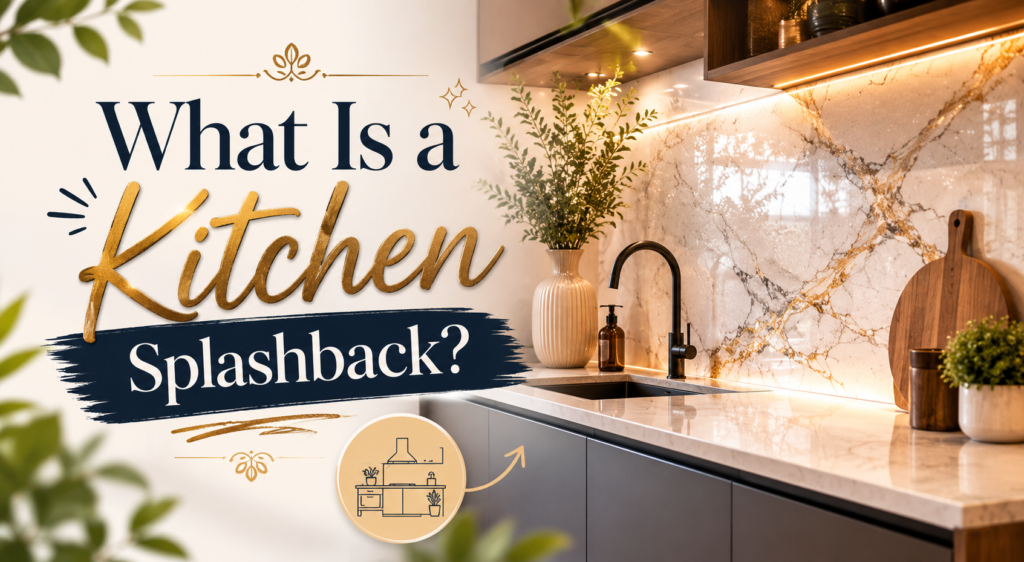
A kitchen splashback is a protective covering installed on the wall behind kitchen work areas such as sinks, stovetops, and countertops. Its primary purpose is to shield walls from cooking splatters, grease, moisture, steam, and food stains created during everyday meal preparation.
Without a splashback, painted walls can quickly become damaged or stained over time. A quality splashback creates a durable barrier that protects surfaces while making the kitchen easier to clean and maintain.
In modern kitchen design, splashbacks are no longer viewed as purely functional elements. They have become major decorative features that contribute significantly to the overall appearance of the kitchen. Designers often use splashbacks to introduce color, texture, pattern, or contrast into the room.
For example, a glossy glass splashback can create a sleek contemporary look, while natural stone surfaces add luxury and warmth. Decorative tile arrangements can introduce personality, and mirrored finishes can make smaller kitchens appear brighter and larger.
Because splashbacks combine beauty with practicality, they have become one of the most valuable upgrades homeowners can make in both modern and traditional kitchens.
Why Kitchen Splashbacks Matter
Installing a splashback offers many benefits beyond simple wall protection. Modern homeowners choose splashbacks because they improve cleanliness, increase durability, simplify maintenance, and enhance visual appeal.
Protects Kitchen Walls
Cooking naturally produces grease, steam, water splashes, and food stains. Over time, these can damage painted walls and create difficult cleaning problems. Splashbacks provide a strong protective layer that keeps kitchen walls safe from daily wear and tear.
Makes Cleaning Easier
One of the biggest advantages of a splashback is easy maintenance. Materials such as glass, porcelain, stainless steel, and quartz can usually be cleaned with nothing more than a damp cloth and mild cleaner.
Unlike painted walls, splashbacks resist staining and moisture damage, making them ideal for busy family kitchens.
Improves Kitchen Appearance
A stylish splashback can become the focal point of the kitchen. It adds personality, elegance, and texture while helping tie together cabinets, countertops, flooring, and appliances.
Adds Property Value
Beautiful kitchens attract buyers and increase home value. High-quality splashbacks create a polished appearance that enhances the overall impression of the home.
Increases Durability
Many splashback materials are highly resistant to heat, moisture, scratches, and impact damage. This makes them long-lasting investments that continue looking beautiful for years.
How to Choose the Best Kitchen Splashback
Choosing the perfect splashback requires balancing aesthetics, functionality, budget, and maintenance needs. Before making a decision, homeowners should consider several important factors.
Consider Your Kitchen Style
The splashback should complement the overall kitchen design. A modern kitchen may suit glass, quartz, or metallic finishes, while rustic kitchens often work best with natural stone or textured tiles.
Minimalist kitchens usually benefit from clean lines and neutral tones, whereas bold kitchens may incorporate colorful patterns or dramatic textures.
Think About Daily Use
Families who cook frequently need durable and easy-to-clean materials. If your kitchen experiences heavy daily use, prioritize heat resistance, stain resistance, and low maintenance.
Match Countertops and Cabinets
The splashback should coordinate with existing surfaces. Many designers recommend choosing tones that either complement or contrast with countertops and cabinetry to create visual harmony.
Evaluate Maintenance Requirements
Some materials require more upkeep than others. Natural stone may need sealing to prevent stains, while glass and stainless steel are generally easier to maintain.
Set a Realistic Budget
Splashback prices vary widely depending on the material and installation complexity. Tiles and acrylic panels are often budget-friendly, while marble and custom glass panels can be more expensive.
Popular Kitchen Splashback Materials
Modern kitchens feature a wide range of splashback materials, each offering unique benefits and visual appeal.
Glass Splashbacks
Glass splashbacks are among the most popular choices in contemporary kitchens. Their sleek appearance and reflective qualities create a bright and spacious atmosphere.
Toughened glass is highly resistant to heat and moisture, making it suitable for areas behind stovetops and sinks. Because glass has a smooth surface without grout lines, cleaning is extremely simple.
Glass splashbacks are available in many colors, finishes, and styles. Homeowners can choose glossy, matte, mirrored, printed, or textured designs.
Advantages of Glass Splashbacks
- Modern and elegant appearance
- Easy to clean
- Reflects light and brightens kitchens
- Heat and moisture resistant
- Available in custom colors
Disadvantages of Glass Splashbacks
- Can scratch if cleaned improperly
- Higher installation costs
- Fingerprints may appear on darker finishes
Mirrored glass splashbacks are especially popular in compact kitchens because they create the illusion of additional space.
Tile Splashbacks
Tiles remain one of the most versatile and affordable splashback options available. They suit both traditional and modern kitchens while offering endless design flexibility.
Ceramic and porcelain tiles are particularly popular due to their durability and wide range of colors, patterns, and textures.
Subway tiles continue to dominate kitchen trends because of their timeless appearance. However, geometric patterns, mosaic designs, and textured finishes are also increasingly popular.
Advantages of Tile Splashbacks
- Affordable and accessible
- Wide range of styles and colors
- Easy to customize
- Durable and long-lasting
- Suitable for most kitchen styles
Disadvantages of Tile Splashbacks
- Grout requires cleaning and maintenance
- Uneven surfaces may trap grease
- Installation can be time-consuming
Porcelain tiles are generally more durable and less porous than ceramic tiles, making them ideal for busy kitchens.
Stone Splashbacks
Stone splashbacks provide unmatched elegance and sophistication. Natural materials such as marble, granite, and quartz create luxurious kitchen interiors with timeless appeal.
Stone surfaces are highly durable and heat resistant, making them practical as well as beautiful.
Marble Splashbacks
Marble is known for its dramatic veining and premium appearance. It creates a refined and luxurious atmosphere that works beautifully in high-end kitchens.
However, marble is porous and may require regular sealing to protect against stains.
Granite Splashbacks
Granite is extremely strong and resistant to heat and scratches. It works particularly well in family kitchens where durability is essential.
Quartz Splashbacks
Quartz offers the appearance of natural stone with lower maintenance requirements. Engineered quartz surfaces resist staining and provide excellent durability.
Advantages of Stone Splashbacks
- Luxurious appearance
- Excellent durability
- Heat resistant
- Increases home value
- Unique natural textures
Disadvantages of Stone Splashbacks
- Higher cost
- Some materials require sealing
- Heavy and complex installation
Engineered stone and composite materials have become increasingly popular because they combine natural beauty with improved performance.
Stainless Steel Splashbacks
Stainless steel splashbacks are commonly used in professional kitchens because they are hygienic, durable, and easy to clean.
Modern homeowners now use stainless steel to create sleek industrial-style kitchens with a contemporary edge.
Advantages of Stainless Steel Splashbacks
- Extremely hygienic
- Heat resistant
- Durable and long-lasting
- Easy maintenance
- Professional appearance
Disadvantages of Stainless Steel Splashbacks
- Fingerprints and smudges can appear easily
- Scratches may become visible over time
- Industrial appearance may not suit all homes
Stainless steel works especially well when paired with modern appliances and minimalist cabinetry.
Acrylic Splashbacks
Acrylic splashbacks are lightweight, affordable alternatives to glass. They offer a similar glossy appearance while costing significantly less.
Because acrylic panels are easy to install, they are popular among homeowners completing budget-friendly kitchen renovations.
Advantages of Acrylic Splashbacks
- Affordable
- Lightweight
- Easy installation
- Available in many colors
- Moisture resistant
Disadvantages of Acrylic Splashbacks
- Less heat resistant than glass
- More susceptible to scratching
- Lower durability over time
Acrylic splashbacks are often suitable for kitchens where the splashback is not directly exposed to intense heat.
Trending Kitchen Splashback Designs
Kitchen splashback trends continue evolving as homeowners seek more personalized and stylish interiors.
Full-Height Splashbacks
One of the biggest current trends involves extending the splashback from the countertop all the way to upper cabinets or ceilings.
Full-height splashbacks create a seamless appearance while offering maximum wall protection.
Textured Finishes
Textured surfaces add depth and visual interest to kitchens. Ribbed tiles, natural stone textures, and handcrafted finishes create warm and inviting spaces.
Bold Colors
While neutral kitchens remain popular, many homeowners now use splashbacks to introduce bold colors such as deep green, navy blue, terracotta, or matte black.
Metallic Finishes
Brass, copper, and metallic splashbacks create warmth and sophistication. Over time, certain metals develop unique patinas that add character.
Terrazzo Splashbacks
Terrazzo designs have made a major comeback in contemporary interiors. Their colorful patterns and artistic appearance work beautifully in modern kitchens.
Minimalist Designs
Clean lines, flat finishes, and neutral tones continue dominating minimalist kitchens. Simple splashbacks create calm and elegant interiors.
Best Splashbacks for Different Kitchen Styles
Different kitchen styles require different splashback approaches.
Modern Kitchens
Modern kitchens often feature sleek surfaces, glossy finishes, and minimalist details. Glass, quartz, and stainless steel splashbacks work particularly well in these spaces.
Farmhouse Kitchens
Farmhouse kitchens benefit from warm and inviting materials such as subway tiles, natural stone, and textured ceramics.
Industrial Kitchens
Industrial-style kitchens commonly incorporate stainless steel, concrete finishes, and darker color palettes.
Luxury Kitchens
Luxury kitchens often feature marble, quartz, mirrored glass, and custom-designed splashbacks that create dramatic visual impact.
Small Kitchens
Compact kitchens benefit from reflective surfaces such as mirrored glass or glossy finishes that increase brightness and create a sense of space.
Kitchen Splashback Color Ideas
Color selection plays a major role in the final appearance of the kitchen.
White Splashbacks
White splashbacks remain timeless because they create bright, clean, and spacious interiors.
Black Splashbacks
Black surfaces create bold contrast and modern sophistication. Matte black splashbacks are especially popular in contemporary homes.
Neutral Tones
Soft gray, beige, cream, and earthy tones create warm and calming environments.
Vibrant Colors
Blue, green, red, and mustard splashbacks can introduce personality and energy into the kitchen.
Natural Stone Patterns
Natural stone surfaces provide organic movement and texture through unique veining and mineral patterns.
Installation Tips for Kitchen Splashbacks
Professional installation often delivers the best results, particularly for glass and stone materials.
Measure Carefully
Accurate measurements are essential around power outlets, cabinets, windows, and appliances.
Choose Heat-Resistant Materials
Areas behind stovetops require materials capable of handling high temperatures safely.
Prepare the Surface Properly
Walls should be smooth, clean, and level before installation begins.
Hire Experienced Installers
Stone and glass splashbacks often require specialized cutting and handling techniques.
Seal Natural Stone
Natural stone splashbacks may require protective sealants to prevent staining and moisture absorption.
How to Maintain Kitchen Splashbacks
Proper maintenance keeps splashbacks looking beautiful for many years.
Cleaning Glass Splashbacks
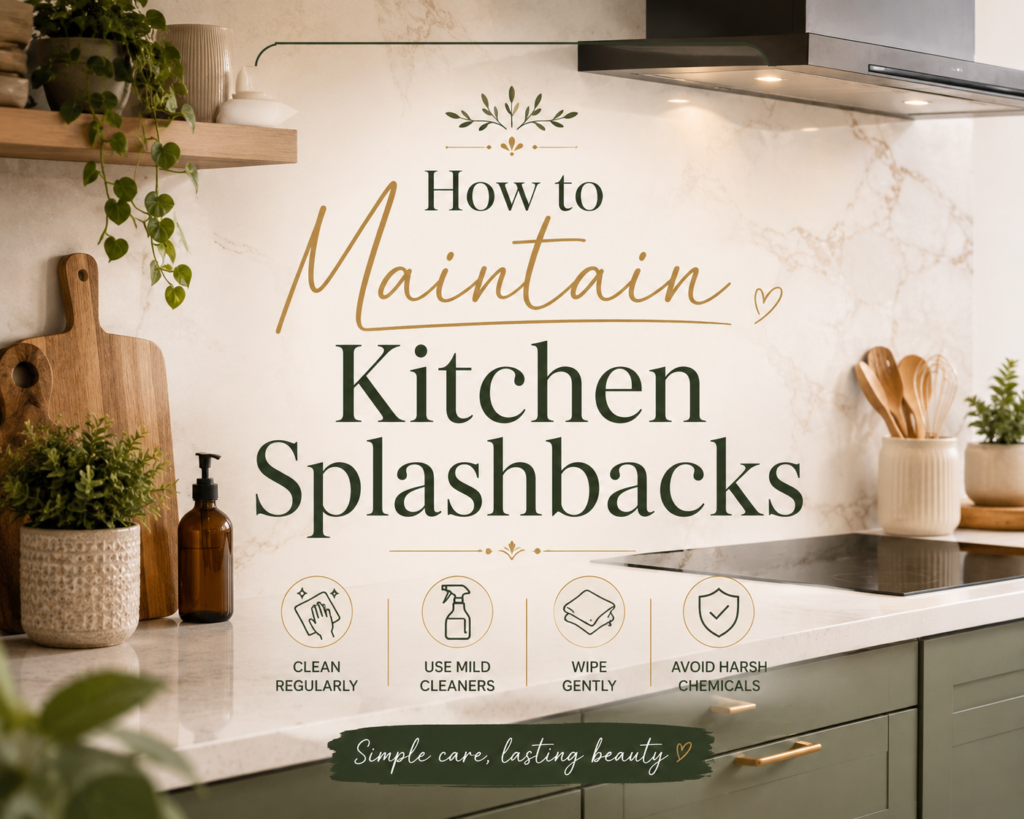
Use a soft microfiber cloth with non-abrasive cleaner to remove grease and fingerprints.
Maintaining Tile Splashbacks
Regular grout cleaning helps prevent discoloration and mold buildup.
Caring for Stone Splashbacks
Avoid harsh acidic cleaners on natural stone surfaces. Reapply sealant when necessary.
Cleaning Stainless Steel
Use gentle cleaning products to avoid scratching the surface.
Preventing Damage
Avoid using abrasive scrubbers or harsh chemicals on any splashback material.
Regular maintenance extends the lifespan of the splashback while preserving its appearance.
Common Mistakes to Avoid
Homeowners often make avoidable mistakes when selecting splashbacks.
Choosing Style Over Function
Beautiful materials may not always suit heavy cooking environments. Practicality should remain a priority.
Ignoring Maintenance Needs
Some surfaces require regular sealing or grout cleaning. Consider long-term upkeep before purchasing.
Poor Color Coordination
The splashback should complement surrounding surfaces instead of clashing with them.
Using Low-Quality Materials
Cheap materials may wear out quickly or fail to handle heat and moisture effectively.
DIY Installation Errors
Improper installation can lead to uneven finishes, cracks, or water damage.
Eco-Friendly Kitchen Splashback Options
Sustainability has become increasingly important in interior design.
Many manufacturers now offer environmentally friendly splashback materials made from recycled glass, reclaimed stone, or composite materials containing recycled content.
Eco-conscious homeowners may also choose low-emission adhesives and responsibly sourced natural materials.
Sustainable splashbacks not only reduce environmental impact but also contribute to healthier indoor spaces.
Budget Guide for Kitchen Splashbacks
The cost of a splashback depends on material choice, kitchen size, and installation complexity.
Budget-Friendly Options
- Ceramic tiles
- Acrylic panels
- Laminate surfaces
Mid-Range Options
- Porcelain tiles
- Toughened glass
- Basic quartz surfaces
Premium Options
- Marble
- Granite
- Custom glass designs
- Designer metallic finishes
While premium materials involve higher upfront costs, they often provide greater durability and long-term value.
Expert Tips for Choosing the Perfect Splashback
Interior designers recommend considering both visual appeal and daily practicality.
- Choose heat-resistant materials near cooking zones.
- Use reflective surfaces to brighten smaller kitchens.
- Coordinate splashbacks with countertops and cabinetry.
- Prioritize easy-clean materials for family kitchens.
- Invest in durable surfaces for long-term value.
- Select timeless designs if planning to sell the home.
Combining functionality with aesthetics ensures the splashback remains stylish and practical for years.
Final Thoughts
Kitchen splashbacks have evolved into one of the most important elements of modern kitchen design. Beyond protecting walls from grease, moisture, and cooking splatters, they help define the personality and style of the entire space.
Whether you choose sleek glass panels, timeless subway tiles, luxurious marble, or durable stainless steel, the right splashback can dramatically improve both appearance and functionality.
Glass splashbacks remain ideal for contemporary kitchens because they reflect light and create a clean modern look. Tiles continue offering versatility and affordability, while stone surfaces deliver unmatched luxury and durability.
The best kitchen splashback ultimately depends on your lifestyle, design preferences, cooking habits, and budget. Busy households may prioritize durability and easy maintenance, while design-focused homeowners may seek bold textures and premium finishes.
By carefully considering materials, colors, maintenance requirements, and installation quality, homeowners can create kitchens that are both beautiful and practical.
A thoughtfully selected splashback not only protects your kitchen walls but also transforms the entire room into a welcoming, stylish, and functional living space that you can enjoy for many years to come.