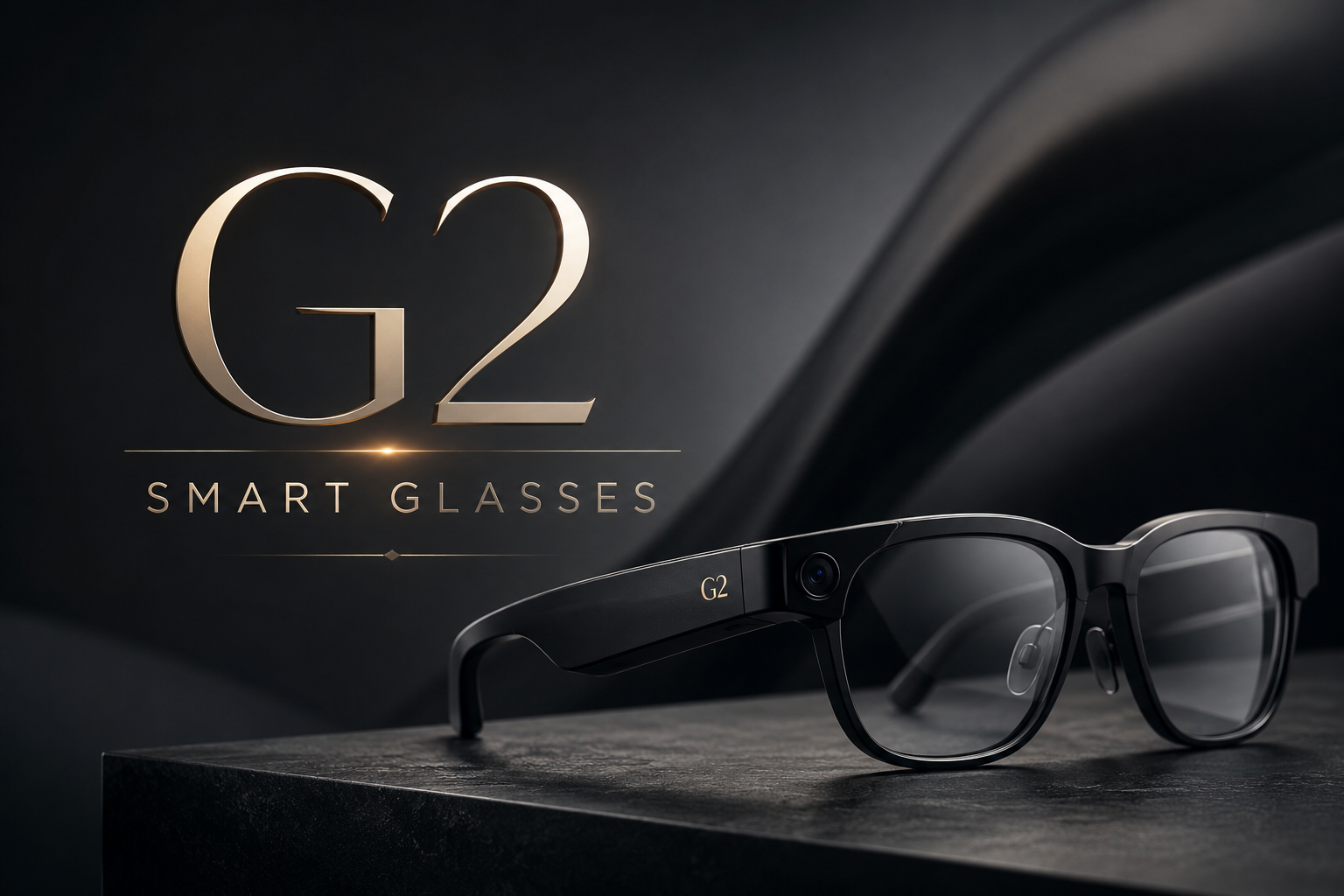
The G2 Smart Glasses wearable technology industry is entering a new era where smart devices are becoming smaller, faster, and more intelligent than ever before. Among the most exciting innovations in this space are smart glasses, which combine artificial intelligence, augmented reality, and hands-free interaction into a single wearable product. One device attracting major attention in 2026 is the Even Realities G2 Smart Glasses. These advanced glasses are designed to deliver real-time information, voice assistance, navigation, and gesture-based controls through a lightweight everyday design.
Consumers are increasingly searching for devices that reduce smartphone dependence while improving productivity and convenience. Traditional wearable gadgets often feel bulky or difficult to use, but the G2 platform takes a different approach. Instead of overwhelming users with complicated technology, these smart glasses focus on simplicity, comfort, and practical daily functionality.
The addition of smart ring integration makes the experience even more futuristic. Users can navigate menus, activate commands, and control features through subtle hand gestures without constantly touching the glasses or pulling out a smartphone. This innovation places the G2 system among the most promising AI wearable devices currently entering the consumer technology market.
What Are Even Realities G2 Smart Glasses?
The Even Realities G2 Smart Glasses are part of a new generation of AI-powered wearable devices that combine augmented reality features with everyday eyewear design. Unlike bulky AR headsets that feel more experimental than practical, these glasses are designed for regular daily use. Their slim frame, lightweight structure, and modern appearance make them resemble traditional glasses while quietly delivering advanced digital functionality in the background.
The platform combines AI assistance, real-time notifications, voice interaction, gesture controls, and mobile connectivity into a single wearable system. Instead of constantly checking a smartphone screen, users can receive important information directly within their field of view. This hands-free experience creates a smoother and less distracting digital lifestyle.
The G2 system reflects the growing shift toward intelligent personal computing. Technology companies are increasingly investing in wearable devices that integrate naturally into daily routines instead of demanding full attention from users. These smart glasses represent that evolution perfectly.
Why Smart Glasses Are Becoming Popular in 2026
The demand for wearable technology has increased dramatically over the last few years. Consumers now want devices that improve productivity without creating additional distractions. Smart glasses solve this problem by offering instant access to information while allowing users to remain focused on their surroundings.
Many people are also trying to reduce screen time caused by smartphones. Constantly checking messages, navigation apps, calendars, and notifications can interrupt work, travel, conversations, and daily activities. AI smart glasses provide a more natural solution by displaying useful updates directly in front of the user.
Another major factor driving popularity is the advancement of artificial intelligence. Modern AI systems can now provide contextual assistance, voice responses, language translation, reminders, and navigation in real time. Combining these capabilities with wearable eyewear creates a powerful and highly practical digital assistant.
The American technology market, in particular, has shown growing interest in AI-powered eyewear because consumers increasingly value convenience, mobility, and multitasking capabilities. Devices like the G2 platform align perfectly with these changing expectations.
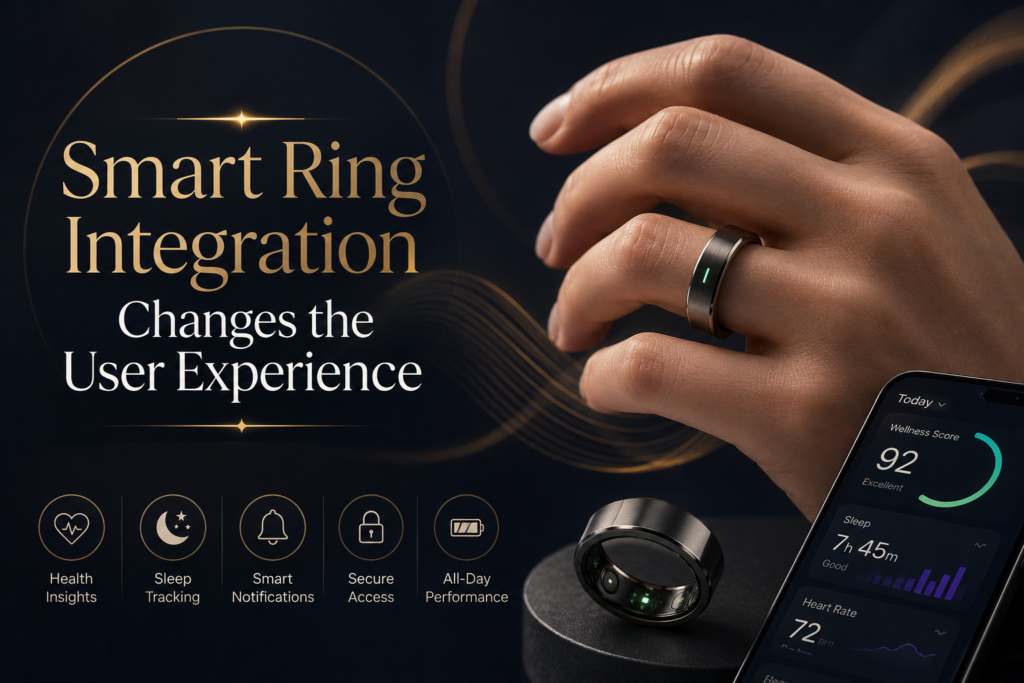
Smart Ring Integration Changes the User Experience
One of the most innovative features of the Even Realities G2 Smart Glasses is the integration of smart ring controls. Instead of relying only on voice commands or touch-sensitive frames, users can control many functions through a compact wearable ring.
This ring acts like a miniature remote controller connected wirelessly to the glasses. Users can swipe, tap, rotate, or gesture with their fingers to interact with menus and settings. This creates a more seamless and intuitive experience, especially while walking, traveling, working, or multitasking.
Traditional smart glasses sometimes feel awkward because users must constantly touch the frame or speak commands aloud in public spaces. Ring-based interaction reduces these issues by enabling discreet control methods that feel more natural during everyday use.
Gesture-based technology also improves speed and convenience. Instead of stopping to interact with a smartphone, users can perform quick actions instantly through small hand movements. This innovation demonstrates how wearable technology is becoming more integrated into natural human behavior.
AI-Powered Display and Real-Time Information
The built-in display system is another standout feature of the G2 platform. These smart glasses use advanced visual overlay technology to present information directly within the user’s line of sight without blocking the surrounding environment.
Notifications, reminders, navigation prompts, translations, calendar alerts, and incoming messages appear naturally and unobtrusively. This allows users to stay informed while remaining aware of the world around them.
Unlike traditional mobile devices that demand constant visual attention, AI-powered smart glasses create a more balanced interaction between digital information and physical reality. This is one reason augmented reality glasses are becoming increasingly important in modern consumer technology.
The real-time display system is especially useful during commuting, traveling, business meetings, fitness activities, and navigation tasks. Users can receive instant information without interrupting conversations or losing focus on their surroundings.
Voice Assistance and Audio Features
Voice interaction plays a major role in modern wearable technology, and the G2 glasses include integrated microphones and discreet audio systems designed for hands-free communication.
Users can issue voice commands, ask questions, respond to messages, or control applications without reaching for a smartphone. This feature improves convenience during busy daily routines and creates a smoother digital experience overall.
The audio system is designed to remain subtle and private while delivering clear sound quality. Notifications, directions, and responses can be heard discreetly without disturbing nearby people.
Voice-controlled smart glasses are becoming increasingly valuable because they allow users to stay connected while remaining physically active. Whether walking through a city, working in an office, or exercising outdoors, voice interaction enables quick and efficient communication with digital tools.
The combination of voice commands and smart ring gestures also provides flexibility. Some situations are better suited for silent gesture controls, while others benefit from spoken commands. Together, these systems create a more adaptive user experience.
Lightweight Design and Everyday Comfort
Comfort is one of the most important factors influencing wearable technology adoption. No matter how advanced a device may be, users are unlikely to wear it consistently if it feels heavy or uncomfortable.
Fortunately, the Even Realities G2 Smart Glasses prioritize lightweight construction and ergonomic design. The frame is carefully balanced to reduce pressure during extended wear, making the glasses practical for all-day use.
This focus on comfort separates modern smart eyewear from earlier generations of wearable devices that often felt bulky and impractical. Consumers today want technology that blends naturally into their lifestyle without drawing unnecessary attention.
The minimal design also helps the glasses appear stylish and professional. They can be worn comfortably in workplaces, public transportation, coffee shops, classrooms, and social settings without looking overly futuristic or awkward.
This subtle appearance increases the likelihood of long-term adoption because users feel comfortable integrating the device into everyday life.
Battery Life and Charging Performance
Battery performance remains a major concern for wearable electronics, especially devices that rely on AI processing, wireless communication, and real-time visual displays.
The G2 platform addresses this issue through optimized power management systems designed to support extended daily usage. While exact battery performance varies depending on features used, most users can comfortably reach the end of a standard workday under normal usage conditions.
Typical activities such as receiving notifications, using navigation, and interacting with AI assistants consume moderate power levels. Heavy augmented reality usage naturally requires more energy, but the system is optimized to avoid excessive battery drain.
Efficient battery life is essential because consumers increasingly expect wearable devices to function throughout the day without frequent charging interruptions. Devices that require constant charging quickly become frustrating and inconvenient.
Fast charging support further improves usability by reducing downtime between sessions. This reliability strengthens the appeal of the G2 system for commuters, travelers, professionals, and students who depend on consistent connectivity.
Connectivity and Smartphone Compatibility
The Even Realities G2 Smart Glasses are designed to integrate smoothly with modern smartphones and digital ecosystems. Through Bluetooth connectivity and companion applications, users can sync notifications, apps, voice assistants, and settings directly with their mobile devices.
Compatibility with both Android and iPhone platforms makes the glasses accessible to a wider audience. The setup process is relatively simple and similar to pairing wireless earbuds or smartwatches.
Users typically download the supporting mobile application, connect the glasses via Bluetooth, and customize their preferences. This simplicity is important because complicated setup procedures often discourage mainstream consumers from adopting new technology.
The connected ecosystem approach also allows the glasses to function as part of a larger network of smart devices. Smartphones, smart rings, wireless earbuds, and wearable assistants increasingly work together to create a more personalized and efficient user experience.
Privacy and Security Features
As wearable devices become more intelligent, privacy concerns continue growing among consumers. Smart glasses interact closely with personal messages, voice commands, location data, and real-time notifications, making digital security extremely important.
The G2 platform attempts to address these concerns through encrypted communication systems and customizable privacy controls. Users can manage permissions, notifications, and connected services according to their comfort levels.
Voice inputs and transmitted data are typically protected through secure wireless protocols designed to reduce unauthorized access risks. These protections are becoming increasingly important as AI-powered devices collect larger amounts of contextual user information.
Consumer trust will play a major role in the future success of wearable technology. Companies developing smart eyewear must continue improving security standards to ensure users feel comfortable adopting these devices in everyday life.
Augmented Reality Features and Future Possibilities
Augmented reality remains one of the most exciting aspects of modern smart glasses. By overlaying digital information onto the real world, AR technology creates entirely new possibilities for communication, education, navigation, entertainment, and productivity.
The G2 platform demonstrates how digital overlays can improve daily experiences without fully replacing physical reality. Instead of isolating users inside virtual environments, these glasses enhance real-world interaction through contextual information and assistance.
Future developments could expand these capabilities even further. Experts predict that advanced AI eyewear may eventually replace several smartphone functions entirely. Navigation, communication, scheduling, translation, and even online shopping could become integrated directly into wearable displays.
Educational applications may also grow significantly. Students could receive live information during lessons, while professionals may access instructions, data, or workflow support hands-free during work activities.
Fitness and health tracking integration is another promising direction. Smart glasses could eventually display workout metrics, wellness reminders, and biometric feedback in real time during exercise sessions.
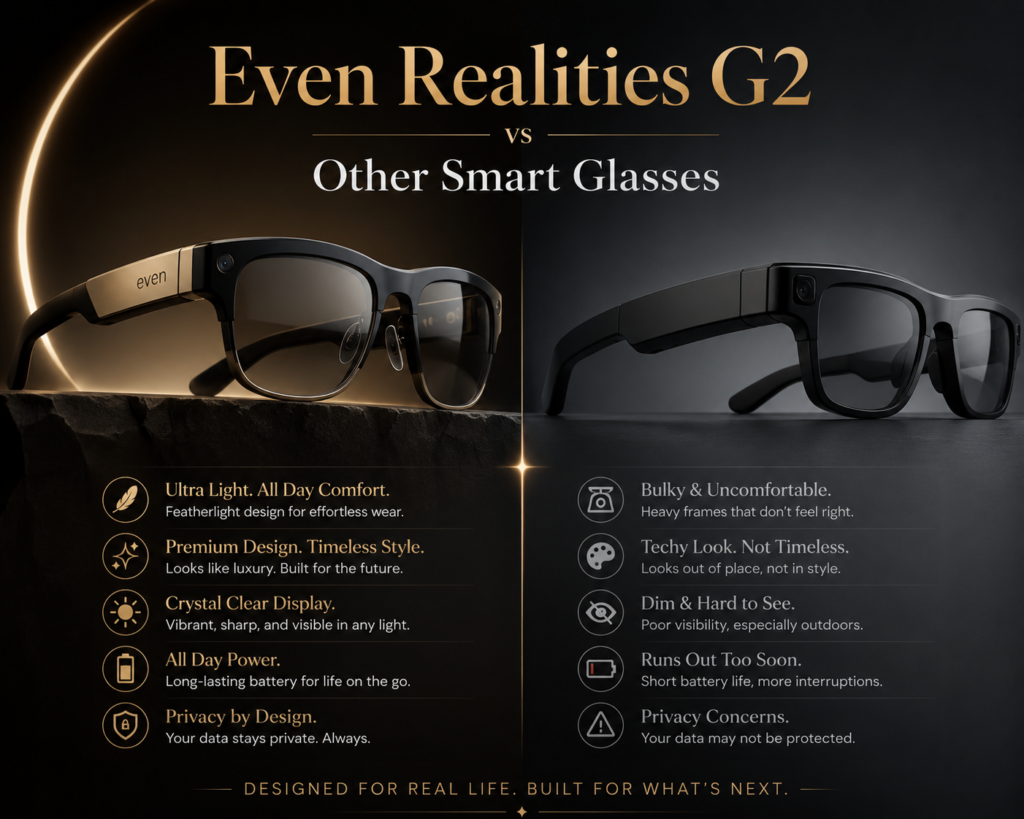
Even Realities G2 vs Other Smart Glasses
The smart eyewear market is becoming increasingly competitive as major technology brands invest heavily in wearable innovation. Competitors such as Ray-Ban Meta Smart Glasses and XREAL are also attracting attention within the industry.
However, the G2 platform differentiates itself through its focus on productivity, gesture controls, and lightweight everyday usability.
Ray-Ban Meta glasses emphasize photography, video capture, and social media integration. They are ideal for content creators and users interested in media sharing. In contrast, the G2 system focuses more on intelligent assistance, navigation, workflow efficiency, and contextual AI support.
XREAL products are known for strong augmented reality visuals and immersive display experiences, but they sometimes appear less casual for everyday wear. The G2 glasses prioritize subtle styling and comfort, making them more suitable for continuous daily use.
This distinction matters because consumers often value simplicity and practicality over flashy technical demonstrations. Devices that integrate smoothly into everyday routines usually achieve broader long-term adoption.
Best Use Cases for Even Realities G2 Smart Glasses
The versatility of the G2 platform makes it useful across many different lifestyles and environments.
Professionals can benefit from quick calendar access, message previews, meeting reminders, and hands-free productivity tools during work hours. The discreet design allows the glasses to fit naturally into office settings without appearing distracting.
Travelers and commuters gain major advantages through real-time navigation support. Instead of repeatedly checking a phone for directions, users can receive visual prompts directly within their field of view while walking or driving.
Students may use the glasses for scheduling, note reminders, language translation, and educational support during classes or study sessions.
Fitness users can stay informed about updates and notifications while remaining physically active outdoors. The lightweight design makes the glasses practical during walking, cycling, or exercise activities.
Entertainment and media consumption may also become increasingly important as AR content evolves. Future software updates could expand streaming, gaming, and interactive experiences through wearable displays.
Pros and Cons of Even Realities G2 Smart Glasses
Like all emerging technologies, the G2 platform includes both strengths and limitations.
The strongest advantages include lightweight comfort, smart ring integration, contextual AI assistance, voice controls, and modern minimalist styling. These features combine to create a highly practical wearable experience focused on everyday usability rather than gimmicks.
The glasses also offer a strong balance between functionality and subtle design. Many competing products either prioritize fashion or technology too heavily, while the G2 platform attempts to blend both successfully.
However, some limitations still exist. The wearable technology market is evolving rapidly, meaning software ecosystems and app support may continue developing over time. Early adopters sometimes experience fewer compatible applications compared to mature smartphone platforms.
Pricing may also influence consumer adoption because premium wearable devices often remain expensive during early release periods.
Despite these challenges, the G2 platform remains one of the most promising examples of practical AI smart eyewear entering the market in 2026.
Are Even Realities G2 Smart Glasses Worth Buying?
For consumers seeking hands-free digital assistance, intelligent notifications, and wearable convenience, the answer will likely be yes. The combination of AI functionality, gesture-based controls, lightweight comfort, and real-time information creates a surprisingly useful daily experience.
Unlike some futuristic gadgets that feel experimental or unnecessary, these smart glasses solve real everyday problems. They reduce smartphone dependence, improve multitasking, and provide contextual information more naturally than traditional mobile devices.
The wearable technology market is clearly moving toward smarter, smaller, and more integrated devices. Products like the Even Realities G2 Smart Glasses represent an important step in that evolution.
As artificial intelligence and augmented reality continue advancing, smart eyewear may eventually become as common as smartphones, smartwatches, and wireless earbuds. Consumers interested in the future of wearable technology will likely view the G2 platform as one of the most exciting innovations shaping the next generation of AI-powered personal computing.